
Story & Lore
1666: Amsterdam story and lore explained — Amsterdam 1666, the gablestones, the Esbat, the 333-year Cycle and a mystery spanning three centuries.
Introduction
The story of 1666: Amsterdam unfolds across three centuries — 1666, 1999 and the present — and our lore pages map every thread. At its core is Amsterdam itself, a city built on wealth and power that now runs on something far more sinister. The gablestones carved into every facade hide clues, and not all of them tell the truth. The Esbat, the full-moon ritual, is when the Originals hiding behind human faces are forced into the open. And driving everything is the Cycle — every 333 years, something stirs. Because the game is developed by Panache Digital Games under Patrice Désilets, the story carries a signature obsession with memory, legacy and how the past refuses to stay buried.
Core Lore Pillars
| Pillar | Domain | Significance |
|---|---|---|
| Amsterdam 1666 | Setting | A city fueled by a sinister force |
| The Gablestones | Symbols | Not all of them tell the truth |
| The Esbat | Ritual | Originals revealed under the moon |
| The Cycle | History | Every 333 years, something stirs |
| Three Timelines | Structure | 1666, 1999 and the present |
Lore Foundations
Amsterdam, 1666
The handcrafted city at the center of the story — built on wealth and power, now fueled by a sinister force. Every district, canal and facade is a piece of the mystery.
The Gablestones
The carved stones on every facade carry meaning — but not all of them tell the truth. Reading them correctly is a core investigation skill and a recurring lore motif.
The Esbat
The full-moon ritual when Originals are forced into their true form. It is both a lore pillar and the gameplay payoff of daytime investigation.
The Cycle
Every 333 years, something stirs. The Cycle is the engine of the mystery, connecting 1666, 1999 and the present into a single recurring pattern.
Three Timelines
The story unfolds across 1666, 1999 and the present. Events in one era ripple into the others, and Noa pieces together how they connect.
Core Mechanics
Lore in 1666: Amsterdam is delivered through the environment as much as through dialogue. The handcrafted city is dense with detail — gablestones, architecture, posters and objects that reveal the 1666 setting and its corruption. The three-timeline structure is the key storytelling mechanic: events in 1666 echo into 1999 and into the present, and the player pieces together how they connect. Investigation is how you engage with this lore — reading the city, identifying Originals and understanding the Esbat's ritual significance. For players, this means the lore is not a passive codex but an active part of the investigation loop, rewarding anyone who looks closely at the world around Noa.
Advantages
Delving into the lore of 1666: Amsterdam deepens every other part of the game. Knowing the Cycle and the Esbat makes the night confrontations feel meaningful rather than arbitrary, and understanding the Originals helps you read the city during investigation — you start noticing who is hiding, what the gablestones are really saying and why the three timelines matter. The story is a major part of the pitch, and following the lore also keeps you connected to the community conversation around the game's themes, the Midnight Chronicle dev blog and the media coverage that framed the title around Patrice Désilets' legacy. Lore readers will be best prepared for the narrative twists the full campaign promises.
Challenges
The lore of 1666: Amsterdam is still largely undisclosed ahead of Early Access. The prologue, trailers and the Midnight Chronicle confirm the broad strokes — the three timelines, the Esbat, the Cycle, the Originals and the gablestones — but the deeper mythology is deliberately held back. Our lore pages therefore document what is confirmed and clearly flag what is still speculation, from the origin of the Originals to the full history of the Zaindaris. Because the story is the studio's centerpiece, spoilers and theories also circulate in the community, so lore pages aim to stay measured and avoid presenting unverified theories as fact.
Frequently Asked Questions
What is the Cycle in 1666: Amsterdam?+
Why do gablestones matter in 1666: Amsterdam?+
How do the three timelines connect?+
Quick Tips
Read the city like a detective, not a tourist. The gablestones, architecture and ambient details of Amsterdam 1666 are deliberate storytelling — the official pitch explicitly says not all gablestones tell the truth. Slowing down during investigation is the fastest way to absorb the lore before Early Access.
Track the three timelines as you play. Events in 1666 echo into 1999 and the present, and keeping a mental map of who did what in which era makes the Esbat confrontations far more meaningful. The prologue is built to teach this habit.
Follow The Midnight Chronicle dev blog for lore drops. Panache Digital Games uses the official blog to publish dev logs on art, characters and the game's world, and past entries have explained themes like the Rembrandt-esque lighting and the three eras of art. It is the single best source for story context between announcements.
Featured
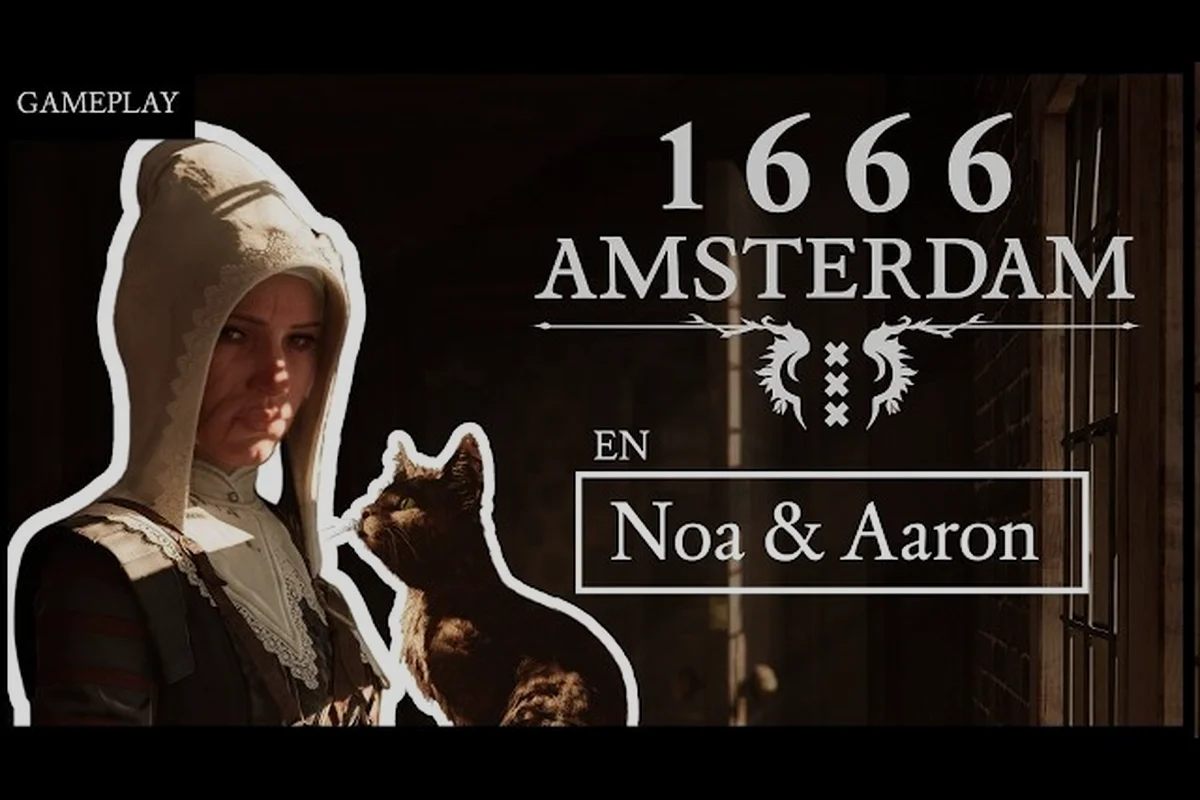
1666: Amsterdam story explained — three timelines, one
Understand 1666 Amsterdam story across three timelines: 1666, 1999, and today. Trace Noa investigation and how the Cycle links all three centuries.
1666: Amsterdam demon lore — Zaindaris entities &.
Dive into 1666 Amsterdam demon lore covering the Zaindaris entities, their supernatural origins, and how Patrice Désilets' dark worldbuilding shapes every.
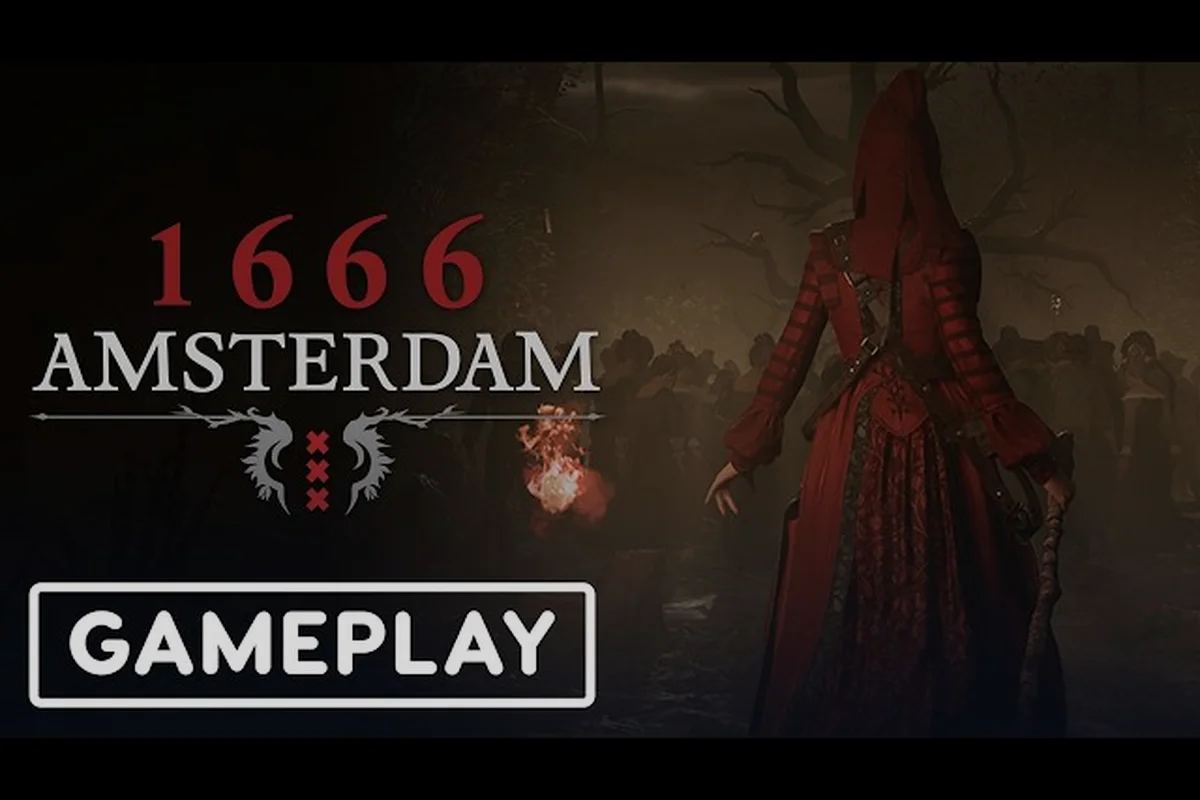
1666: Amsterdam plot explained — Noa's power owed debt
Understand the 1666 Amsterdam plot explained across three timelines: 1666, 1999, and today. Trace Noa's investigation, Aaron's stealth role, and the dark power.
All Articles
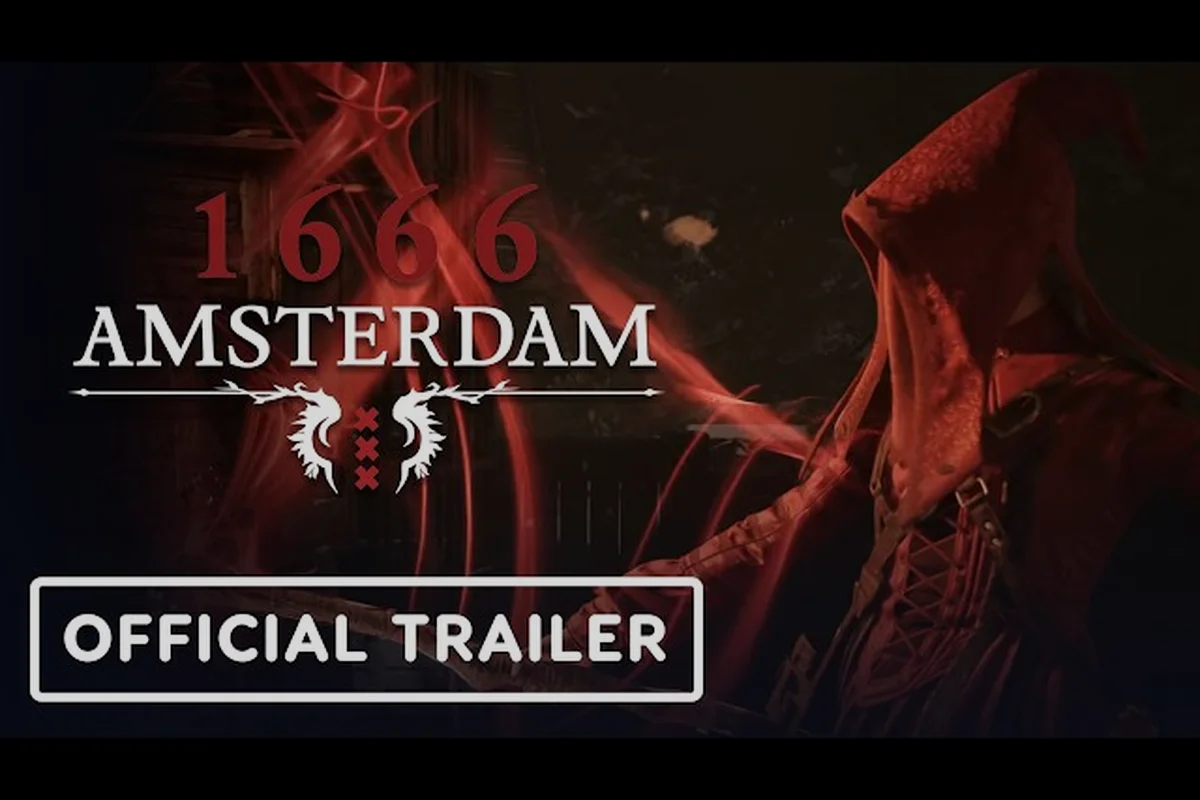
1666: Amsterdam historical setting — gablestones & Esbat
Dive into 1666 Amsterdam historical setting: gablestones, the Esbat ritual, and the Cycle. Learn how Patrice Désilets blends real 17th-century Amsterdam.
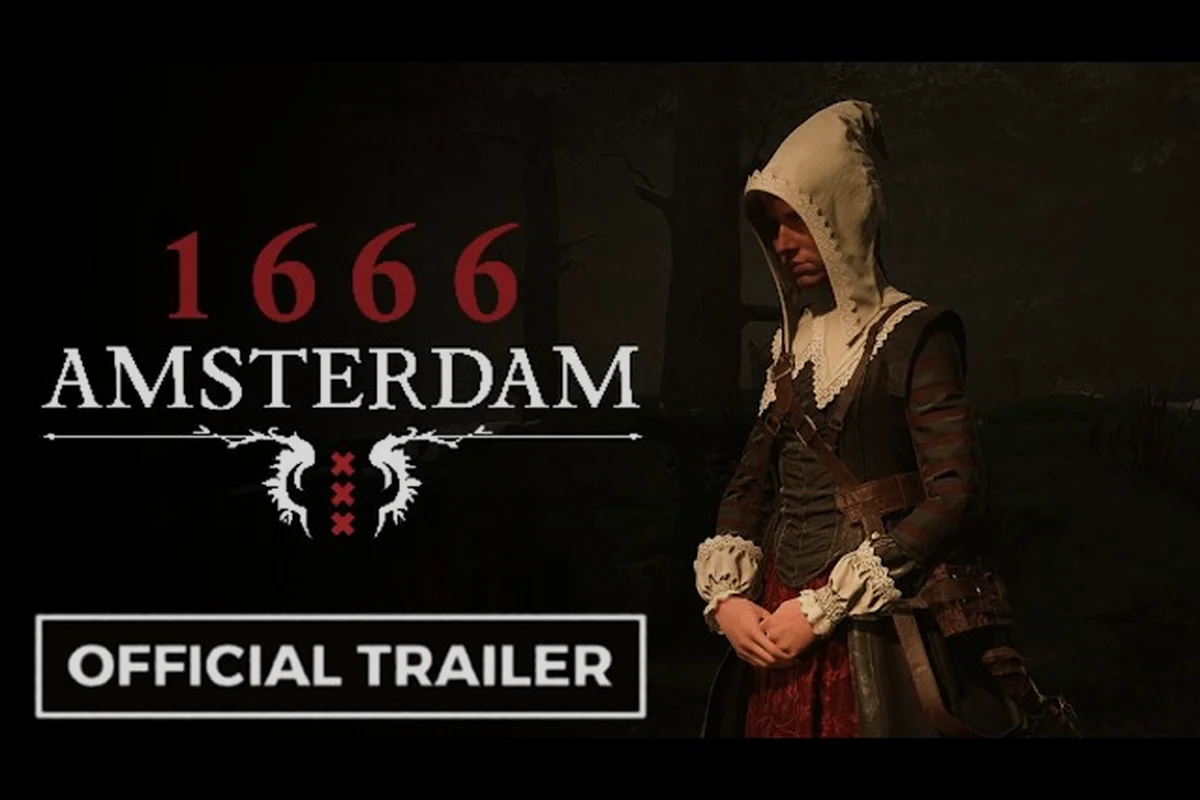
1666: Amsterdam story mode — moral choices & narrative arcs
Understand 1666 Amsterdam story mode with narrative choices and moral dilemmas. See how your decisions shift Noa's journey and the fates of key characters.
1666: Amsterdam the Originals history — mystery of Amsterdam
Explore 1666 Amsterdam the Originals history, from their cursed beginnings to the Esbat ritual, and how their legacy drives the mystery of Amsterdam in this.
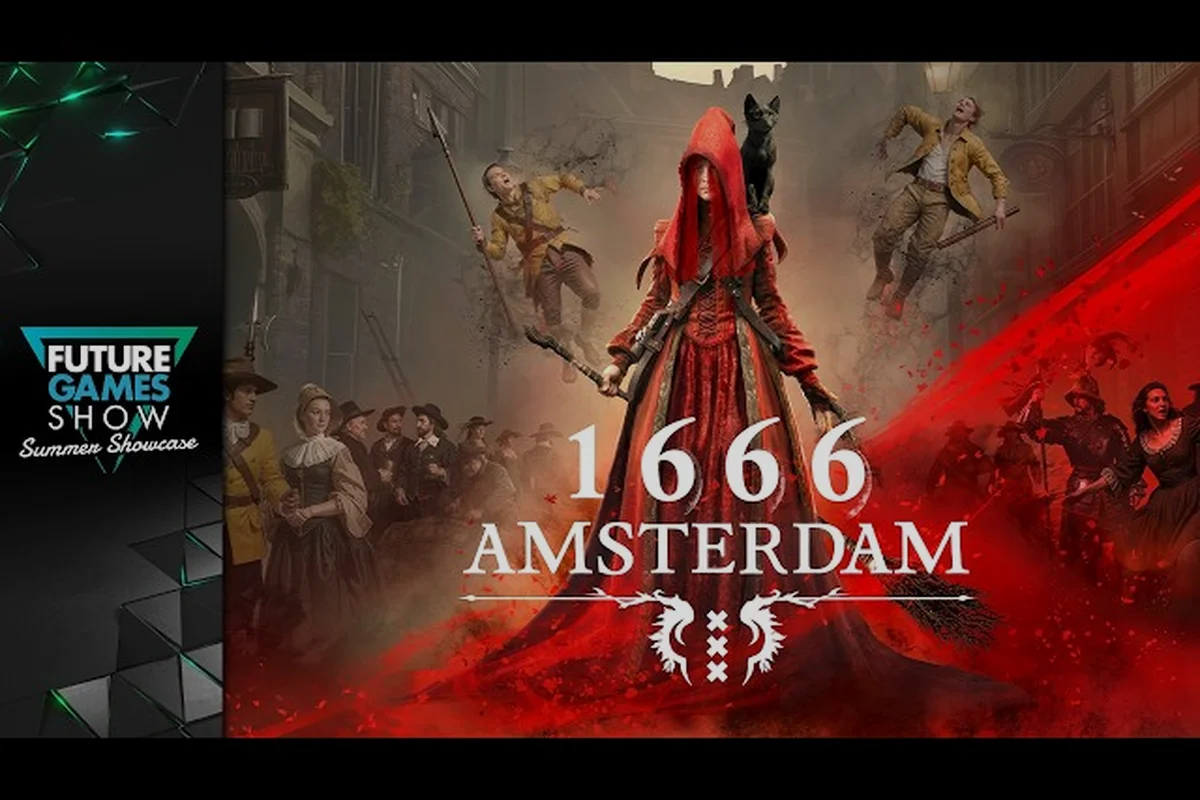
1666: Amsterdam the cycle explained — 333-year secret
Decode 1666 Amsterdam the cycle explained: how 333 years link 1666, 1999, and today. Trace the witch trials' legacy, The Originals' return, and what the Cycle.